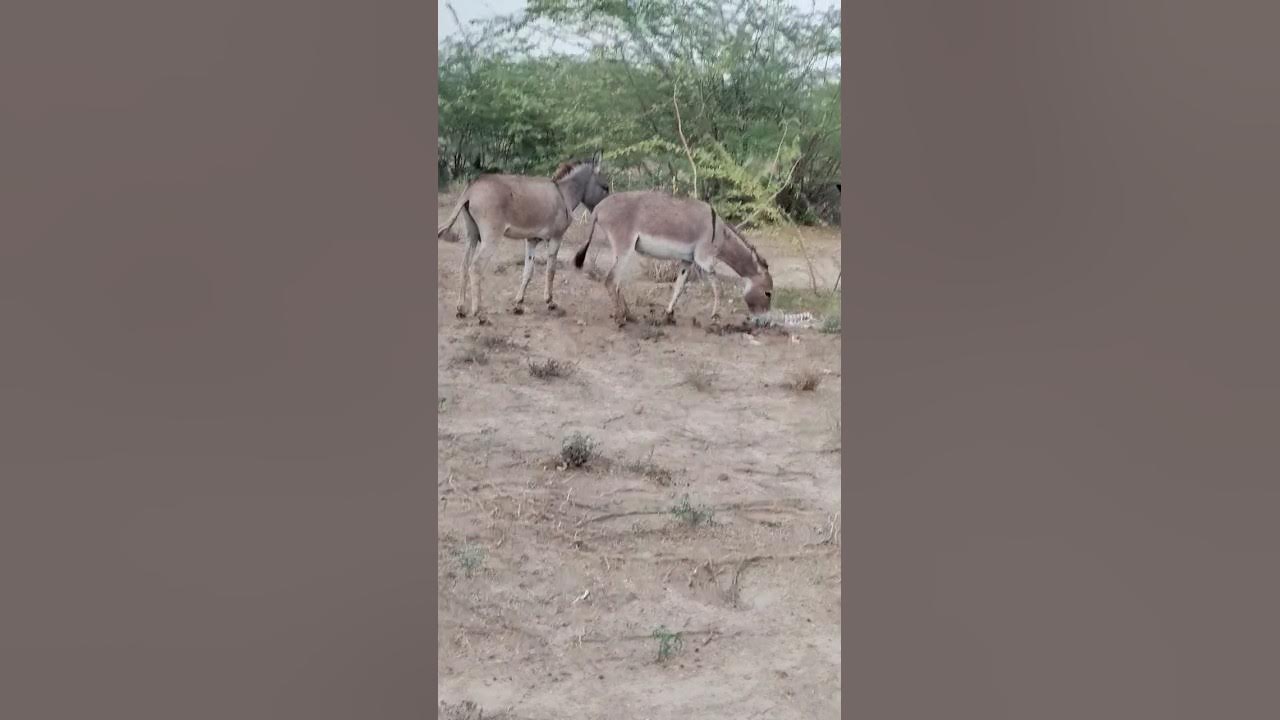
Donkey Mating Season All You Need To Know
Lead: Understanding the intricate dynamics of the donkey mating season is essential for anyone involved in donkey husbandry, from seasoned breeders to new enthusiasts. This period, crucial for reproduction and herd management, encompasses specific behavioral changes, physiological cycles, and environmental considerations. This comprehensive guide delves into the vital aspects of the donkey breeding cycle, offering insights into its significance, practical management strategies, and what to expect during this pivotal time for these resilient animals.
What Is Donkey Mating Season
The phrase "Donkey Mating Season: All You Need to Know" refers to the entire body of knowledge surrounding the reproductive cycle of donkeys, encompassing their natural breeding behaviors, physiological processes, and the environmental factors that influence successful reproduction. Donkeys, like many livestock, exhibit seasonal polyestrous cycles, meaning they have multiple heat cycles within a specific time of the year. This period is primarily driven by factors such as:
- Photoperiod: Longer daylight hours stimulate reproductive activity.
- Nutrition: Adequate feed and good body condition are vital for fertility.
- Social Cues: The presence of other donkeys, particularly a jack (male donkey), can influence estrus onset.
Understanding these elements allows for informed decision-making in breeding programs, contributing to the health and sustainability of donkey populations.
Why Donkey Mating Season
Interest in donkey mating season and general donkey care is experiencing a significant surge across the United States. This growing popularity can be attributed to several factors:
- Increased Demand for Donkeys: Donkeys are increasingly sought after for companionship, property guardianship, trail riding, and as sustainable farm partners.
- Conservation Efforts: A renewed focus on preserving heritage donkey breeds and maintaining genetic diversity.
- Responsible Animal Husbandry: A heightened public awareness regarding ethical breeding practices and animal welfare standards.
- Educational Resources: The accessibility of online information and specialized workshops has empowered owners with more knowledge.
This trend reflects a broader societal shift towards sustainable living and a deeper appreciation for the unique attributes donkeys bring to farms and families.
Dates, Locations, or Key Details
The primary donkey mating season typically occurs during the longer daylight hours of spring and summer, usually from March through September in most temperate regions of the U.S. While some donkeys can breed year-round, fertility peaks during these months. Key details include:
- Estrus Cycle: A jenny (female donkey) typically experiences a 21- to 30-day estrus cycle, with receptivity lasting about 2 to 7 days.
- Signs of Estrus: Observable behaviors such as increased vocalization, tail flagging, frequent urination, seeking out the jack, and "winking" (eversion of the clitoris).
- Gestation Period: Donkeys have a remarkably long gestation period, averaging around 12 to 14 months (approximately 365 to 400 days), which is considerably longer than horses.
- Optimal Breeding Age: Jennies are typically mature enough to breed around 3 to 4 years of age, while jacks can be fertile earlier but are often not used for breeding until 2 to 3 years old.
Environmental factors, particularly nutrition and climate, play a significant role in determining the exact timing and success of breeding within this window.
How To Get Involved or Access Donkey Mating Season
For those looking to understand or participate in donkey breeding, a systematic approach is recommended:
- Education: Begin by researching reliable sources on donkey reproduction, health, and genetics. Attending workshops or online courses specifically tailored to equine or donkey husbandry is beneficial.
- Consult a Veterinarian: Work closely with an experienced equine veterinarian who can perform pre-breeding health checks on both jennies and jacks, ensure vaccinations are current, and offer guidance on reproductive soundness.
- Join Breeder Associations: Connect with local or national donkey breed associations. These groups offer invaluable networking opportunities, mentorship, and access to experienced breeders.
- Observation: For current donkey owners, diligently observe your jennies for signs of estrus. Keeping detailed records of their cycles can aid in timing breeding attempts.
- Facility Preparation: Ensure safe and appropriate facilities for breeding, including secure paddocks and quiet areas for potential foaling.
Responsible engagement with breeding demands thorough preparation and a commitment to animal welfare.
What To Expect
- Behavioral Shifts: Jennies in estrus often become more vocal, exhibit increased restlessness, and actively seek out the company of a jack. Jacks, conversely, may become more assertive and protective.
- Increased Management Needs: Careful monitoring of animal health, nutrition, and behavior becomes paramount to ensure a safe and successful breeding season.
- Long Gestation: Be prepared for a gestation period that can span over a year, requiring long-term planning for the jenny's care and eventual foaling.
- Foaling Preparation: As the gestation nears its end, specific preparations for foaling, including a clean and safe environment, become critical.
The Broader Impact of Donkey Mating Season
The meticulous understanding and management of donkey mating season extend beyond individual farms, impacting several broader areas. On a cultural level, it reinforces the enduring bond between humans and working or companion animals, promoting responsible stewardship. Economically, successful breeding contributes to the availability of donkeys for various purposes, from therapeutic roles to agricultural labor. Furthermore, it plays a critical role in preserving the genetic diversity of donkeys, particularly for endangered or rare breeds, ensuring their long-term viability. The standards set during breeding also influence the overall health and temperament of future generations, underscoring its importance in animal welfare.
The successful management of donkey reproduction is a cornerstone of responsible animal husbandry. Its not just about producing offspring; its about understanding the animals biology, ensuring optimal welfare, and contributing to the sustainability of the breed, says Dr. Eleanor Vance, a veterinarian specializing in equine reproduction. Knowledge of the mating season empowers owners to make ethical and informed decisions.
Economic or Social Insights
Economically, a well-managed donkey breeding program can add significant value to a farm or smallholding. Healthy, well-socialized foals from reputable lines can command fair prices, contributing to the agricultural economy. Donkeys are also increasingly seen as a cost-effective alternative for certain tasks, such as weed control or guarding livestock, boosting their economic appeal. Socially, the growing community of donkey enthusiasts and breeders fosters knowledge sharing and mutual support. Publications like Rural Living and Equus Magazine frequently highlight the financial and social benefits of donkey ownership and responsible breeding practices, emphasizing the species' integral role in modern rural life.
Frequently Asked Questions About Donkey Mating Season
- What is donkey mating season all you need to know? It encompasses the complete understanding of donkey reproductive cycles, including seasonal influences, behavioral indicators of estrus, optimal breeding times, and the physiological processes involved in successful conception and gestation. This knowledge is crucial for effective breeding management.
- Why is donkey mating season all you need to know popular? Its popularity stems from a rising interest in responsible animal husbandry, sustainable farming practices, and the increasing demand for donkeys as companions, therapy animals, and working partners. People are seeking comprehensive information to ensure the health and well-being of their animals.
- How can people participate or experience it? Individuals can participate by educating themselves through veterinary consultations, joining breeder associations, observing their own donkeys for signs of estrus, and preparing their facilities for potential breeding. Responsible participation emphasizes ethical treatment and sound animal care.
- Is it legitimate or official? The principles and practices surrounding donkey mating season are based on established veterinary science, animal husbandry research, and generations of practical experience from reputable breeders. It is a legitimate and official field of study and application in animal agriculture.
- What can attendees or users expect? Those engaging with this topic can expect to gain comprehensive knowledge of donkey reproductive biology, practical tips for managing breeding, insights into behavioral changes, and an understanding of the long-term commitment involved in donkey gestation and foaling.
Conclusion
The phrase "Donkey Mating Season: All You Need to Know" represents a critical body of knowledge for anyone involved with these intelligent and resilient animals. From understanding the subtle signs of estrus to preparing for a lengthy gestation, comprehensive awareness is paramount for successful breeding outcomes and the welfare of both jennies and jacks. The growing interest in donkeys underscores the importance of this information, driving a commitment to responsible and ethical animal husbandry practices across the nation.
Call to Action: To deepen understanding and ensure best practices, readers are encouraged to consult with qualified equine veterinarians, explore resources from established donkey breed associations, and participate in reputable educational programs focused on donkey care and reproduction.