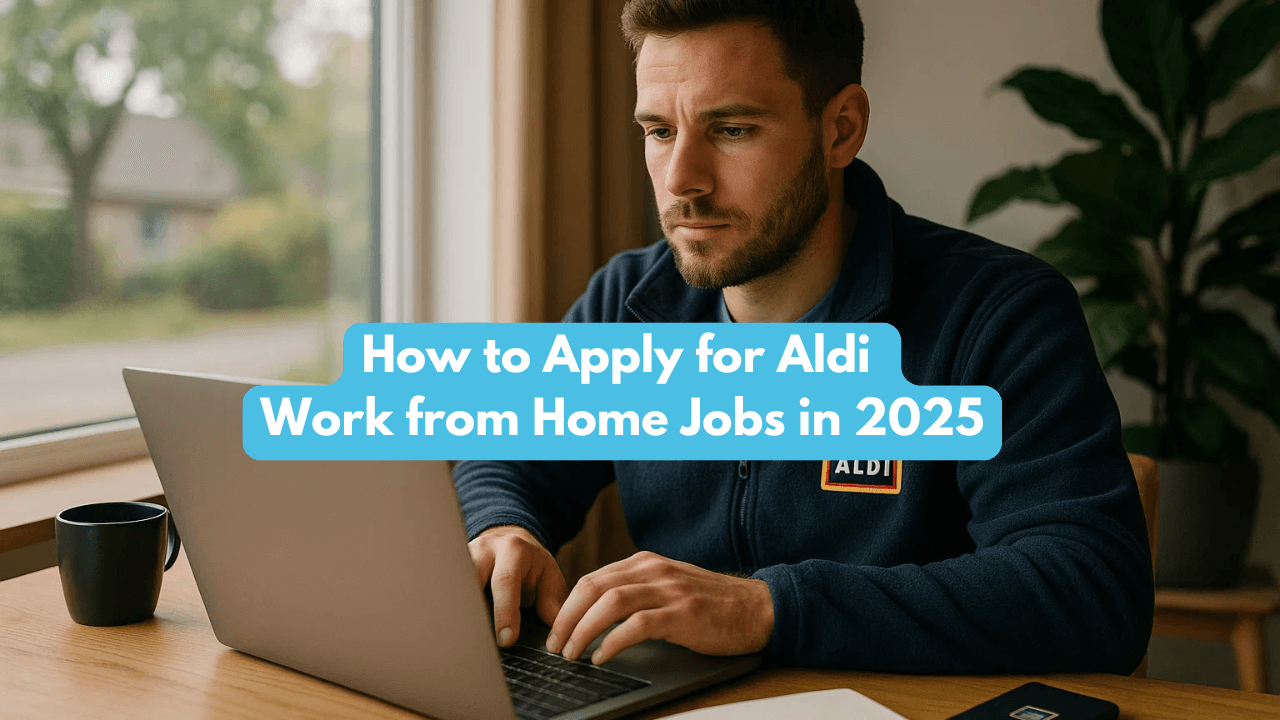
Aldi Work From Home Opportunities And Insights
Lead: In an evolving professional landscape, the prospect of securing remote employment with established industry leaders continues to capture significant interest. Aldi, a rapidly expanding presence in the U.S. grocery sector, has also emerged as a point of curiosity for job seekers exploring flexible work arrangements. This article delves into Aldi work from home opportunities and insights, examining the types of roles that might be available, the factors driving their relevance, and practical advice for those looking to leverage these evolving professional pathways within the company. Readers will gain a comprehensive understanding of the landscape of remote work within Aldi, offering clarity on potential career avenues.
What Are Aldi Work From Home Opportunities and Insights?
Aldi work from home opportunities generally refer to corporate or administrative positions within the company that can be performed remotely, as opposed to in-store retail roles. These are typically roles that do not require a physical presence at a grocery store location or distribution center for daily tasks. Such opportunities reflect a broader industry trend where companies adapt their operational models to incorporate flexible work arrangements for certain departmental functions.
- Corporate Functions: These include departments like IT, finance, human resources, marketing, procurement, and supply chain management.
- Administrative Support: Roles supporting various corporate divisions often have the potential for remote execution.
- Customer Service: While less common for grocery retailers compared to other sectors, some specialized customer support or relations roles could be remote.
- Project Management: Positions overseeing projects that can be managed digitally and collaboratively from diverse locations.
Insights pertain to understanding the company's approach to remote work, its hiring practices for such roles, and the expectations placed upon remote employees. This includes understanding the company culture from a distance, the technology utilized, and the career progression paths available to those in remote positions.
Why Aldi Work From Home Opportunities and Insights Is Trending
The burgeoning interest in Aldi work from home opportunities and insights stems from several converging factors. The global shift towards remote and hybrid work models, accelerated by recent events, has fundamentally reshaped employee expectations and corporate strategies. For a company like Aldi, known for its lean operations and efficiency, offering remote roles for non-store positions can enhance talent acquisition and retention by tapping into a wider geographical talent pool.
Moreover, Aldi's aggressive expansion across the U.S. means a growing need for robust corporate support infrastructure. As the company establishes new stores and distribution centers, the demand for professionals in areas like IT infrastructure, supply chain analytics, and HR management intensifies. Providing work-from-home options for these roles aligns with modern workforce preferences, offering candidates greater flexibility and reducing commute times, which are significant draws for skilled professionals in today's competitive job market. The appeal of a reputable, stable employer combined with the flexibility of remote work makes these opportunities particularly sought after.
Dates, Locations, or Key Details
While Aldi's core business operates out of its physical stores and distribution centers, remote work opportunities typically originate from its corporate headquarters and divisional offices. The primary U.S. corporate headquarters for Aldi is located in Batavia, Illinois, with additional divisional offices across the country. Roles with remote potential usually fall under these corporate structures rather than direct store operations.
The timeline for remote work at Aldi, like many organizations, has evolved significantly over recent years. Before the pandemic, remote options were likely limited. However, in line with broader industry trends, companies have increasingly adopted more flexible policies since 2020. Key details regarding these opportunities often emphasize specific technical skills, strong communication abilities, and a proven track record of independent work, given the nature of remote employment. Candidates should monitor Aldi's official career portals for the most current information regarding specific job postings and their designated work locations, which often include "remote" or "hybrid" designations where applicable.
How To Get Involved or Access Aldi Work From Home Opportunities and Insights
Securing a remote position with Aldi involves a focused and strategic approach, mirroring standard corporate hiring processes but with an emphasis on skills pertinent to off-site work. Heres how prospective candidates can get involved:
- Visit the Official Aldi Careers Website: The primary resource for all job openings is Aldi's dedicated careers portal. Navigate to the "Corporate" or "Head Office" sections, as these are most likely to feature remote-eligible roles.
- Utilize Job Search Filters: On career sites, use keywords like "remote," "work from home," "virtual," or filter by "location" if a "remote" option is available.
- Target Relevant Departments: Focus applications on departments such as Information Technology, Finance, Human Resources, Marketing, Supply Chain, and Procurement, as these typically have the highest potential for remote roles.
- Tailor Resumes and Cover Letters: Highlight experience with remote collaboration tools (e.g., Microsoft Teams, Zoom), independent project management, and strong written communication skills. Demonstrate how past roles involved autonomy and effective virtual teamwork.
- Network Professionally: Connect with Aldi employees on platforms like LinkedIn. Informational interviews can provide insights into the companys culture and remote work policies.
- Stay Updated: Remote job postings can be dynamic. Regularly check for new openings and set up job alerts to be notified when relevant positions become available.
What To Expect
- Expect a competitive application process, as remote roles often attract a high volume of applicants.
- Anticipate interviews that assess technical skills, problem-solving abilities, and suitability for remote collaboration.
- Be prepared for a virtual onboarding process, potentially involving online training modules and remote team introductions.
- Understand that while remote, roles may require occasional travel to a corporate office for team meetings or specific projects.
The Broader Impact of Aldi Work From Home Opportunities and Insights
The availability of remote work opportunities at a major retailer like Aldi signifies a substantial shift in how traditional industries approach talent management and operational flexibility. This trend has several broader impacts:
Firstly, it expands the talent pool for Aldi beyond geographical constraints, enabling the company to attract top-tier professionals who might not reside near its corporate hubs. This can lead to increased diversity in thought and experience, ultimately fostering innovation. Secondly, it contributes to employee well-being by offering greater work-life balance, which can boost morale and reduce turnover rates. For employees, the elimination of daily commutes translates to more personal time and reduced expenses.
From an organizational perspective, while establishing robust remote infrastructure requires initial investment, it can lead to long-term cost savings related to office space and utilities. This strategic pivot helps Aldi remain competitive not only in the grocery market but also in the race for talent against other industry giants. The move aligns with broader macroeconomic trends where businesses are rethinking the traditional office model, validating the efficiency and productivity of distributed teams in various corporate functions.
The ability of large enterprises like Aldi to successfully integrate remote work into their corporate structure is a testament to the evolving nature of the modern workforce. It underscores a commitment to flexibility and an understanding that talent is not confined by location.
Economic or Social Insights
The embrace of remote work by prominent companies such as Aldi has significant economic and social implications. Economically, it can decentralize economic activity, allowing skilled professionals to contribute to major corporations while residing in smaller communities, potentially stimulating local economies outside of major metropolitan areas. This contributes to a more equitable distribution of opportunities. For Aldi, offering remote roles can be a cost-effective strategy to scale its corporate functions without needing to continually expand physical office spaces, a significant consideration given real estate costs in urban centers.
Socially, the availability of Aldi work from home opportunities provides increased access to employment for individuals who might face barriers to traditional office-based roles, such as caregivers, individuals with mobility challenges, or those in remote locations. This fosters greater inclusivity in the workforce. Such flexibility contributes to a more modern and adaptive employment model, aligning with contemporary employee desires for autonomy and work-life integration. Publications like Business Insider and Forbes frequently highlight how such shifts are reshaping corporate culture and talent strategies across various sectors, with retail being no exception.
Frequently Asked Questions About Aldi Work From Home Opportunities and Insights
- What is aldi work from home opportunities and insights? These refer to professional roles within Aldi's corporate and administrative departments that can be performed remotely, offering flexibility and geographical independence, along with observations and understanding of these employment avenues.
- Why is aldi work from home opportunities and insights popular? Their popularity stems from Aldi's brand recognition, its U.S. expansion, and the broader appeal of remote work for its flexibility, reduced commute, and improved work-life balance, allowing access to a wider pool of talent.
- How can people participate or experience it? Prospective candidates can explore and apply for remote-eligible roles via Aldi's official careers website, LinkedIn, and other professional job boards, specifically looking for corporate positions in departments like IT, HR, or finance.
- Is it legitimate or official? Yes, any remote opportunities posted on Aldi's official careers website or reputable job boards represent legitimate positions offered by the company for its corporate and support functions.
- What can attendees or users expect? Individuals seeking these roles can expect a professional recruitment process, opportunities in diverse corporate departments, and a work environment that prioritizes strong communication and independent work ethic to succeed remotely.
Conclusion
The landscape of Aldi work from home opportunities and insights presents a compelling intersection of a growing retail giant and the evolving demands of the modern workforce. While primarily focused on corporate and administrative functions rather than in-store operations, these remote roles underscore Aldi's adaptability and commitment to attracting a diverse, skilled talent pool. For job seekers, understanding these opportunities and insights means recognizing the potential for flexibility, professional growth, and contribution to a dynamic organization without the constraints of a daily commute. As remote work continues to solidify its place in the global economy, companies like Aldi demonstrate that innovation in talent acquisition is key to sustained success and employee satisfaction.
Call to Action: To explore current Aldi work from home opportunities and gain further insights into their corporate culture, individuals are encouraged to visit the official Aldi careers website and follow their verified updates on professional networking platforms.