Unpacking Baywatch 2017 Film: Review & Impact
Lead: The release of the Baywatch 2017 film marked a significant moment for fans of the iconic 1990s television series, bringing the beloved lifeguards to the big screen with a comedic, R-rated twist. This action-comedy attempted to blend the show's signature slow-motion runs and scenic beach locales with modern humor, starring Dwayne "The Rock" Johnson and Zac Efron. The film's debut reignited conversations about nostalgia, franchise reboots, and the delicate balance required to adapt a cultural phenomenon for contemporary audiences, offering valuable insights into Hollywood's approach to reviving classic intellectual properties.
What Is Baywatch 2017 Film?
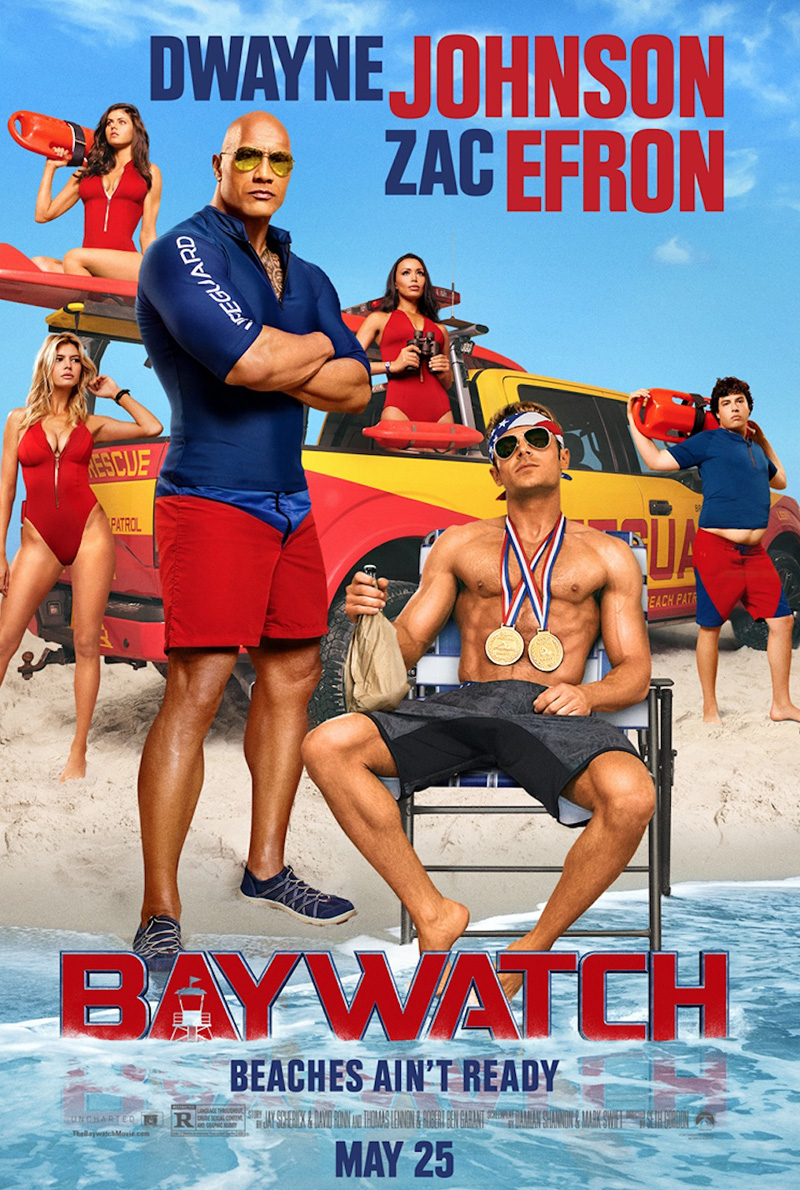
The Baywatch 2017 film is a feature-length action-comedy based on the highly popular television series Baywatch, which originally aired from 1989 to 2001. Directed by Seth Gordon, the movie served as a cinematic reboot, aiming to introduce the franchise to a new generation while retaining elements that made the original show a global sensation. It features an ensemble cast led by Dwayne Johnson as Mitch Buchannon, the stoic head lifeguard, and Zac Efron as Matt Brody, a disgraced Olympic swimmer forced to join his elite team. The plot centers on the Baywatch lifeguards uncovering a criminal plot that threatens their bay.
- Genre: Action, Comedy
- Director: Seth Gordon
- Key Cast: Dwayne Johnson, Zac Efron, Alexandra Daddario, Kelly Rohrbach, Priyanka Chopra Jonas
- Premise: Elite lifeguards uncover a drug trafficking operation threatening their beach.
Why Baywatch 2017 Film Is Trending
Interest in the Baywatch 2017 film continues due to several factors, primarily its status as a high-profile adaptation of a globally recognized franchise. The film capitalized on significant star power, with Dwayne Johnson's immense box office appeal and Zac Efron's established fan base drawing considerable attention. Furthermore, the decision to pivot to an R-rated comedy allowed for a distinct tonal shift from the family-friendly original, appealing to an adult audience looking for irreverent humor. The ongoing conversation around cinematic reboots and the challenge of modernizing beloved classics also keeps the film relevant in discussions about Hollywood's creative strategies.
Dates, Locations, or Key Details
The Baywatch 2017 film made its theatrical debut in the United States on May 25, 2017. Production of the film primarily took place in various scenic locations across Florida and Georgia, utilizing their coastal landscapes to recreate the iconic Baywatch setting. The film was distributed by Paramount Pictures, a major Hollywood studio, signaling its significant investment in the project. With a reported production budget of approximately $69 million, the film aimed for a substantial return, banking on its brand recognition and star-studded cast to attract audiences globally. The movie also featured notable cameos from original series stars David Hasselhoff and Pamela Anderson, a nod that resonated with long-time fans.
How To Get Involved or Access Baywatch 2017 Film
For those interested in watching the Baywatch 2017 film, multiple avenues are available for access, ensuring it remains readily viewable for a broad audience:
- Streaming Services: The film is often available on major subscription streaming platforms, such as Paramount+, Hulu (with specific add-ons), or through services like Amazon Prime Video and Apple TV for rental or purchase. Availability may vary by region and subscription tier.
- Digital Purchase/Rental: Audiences can digitally purchase or rent the film from online stores including Amazon Prime Video, Google Play, Apple TV, and YouTube Movies. This provides instant access without a subscription.
- Physical Media: The movie is available on DVD and Blu-ray, offering a high-quality viewing experience and often including bonus features like behind-the-scenes content and deleted scenes.
What To Expect
- An Over-the-Top Comedy: The film leans heavily into humor, often with R-rated jokes and exaggerated scenarios, departing significantly from the original series' dramatic tone.
- Action Sequences: Expect a mix of action, including rescues, boat chases, and confrontations, all set against the backdrop of the beach.
- Star Chemistry: The dynamic between Dwayne Johnson's earnest Mitch and Zac Efron's arrogant Matt forms the comedic core, with their contrasting personalities driving much of the film's humor.
- Nostalgic References & Cameos: Despite its modern take, the film includes several Easter eggs and appearances from original cast members, appealing to fans of the classic show.
The Broader Impact of Baywatch 2017 Film
The Baywatch 2017 film offers a case study in the complexities of adapting beloved television properties for the big screen. Its reception underscored the challenges of balancing reverence for the source material with the demands of modern cinematic storytelling and audience expectations. The film contributed to the ongoing discussion about the efficacy of the "R-rated reboot" strategy, particularly for franchises known for their more accessible, family-friendly origins. While not a critical darling, its commercial performance demonstrated the enduring global appeal of the Baywatch brand and the considerable draw of its lead actors. It also highlighted the shift in audience preferences, where humor and self-awareness are often expected in nostalgia-driven projects.
While the Baywatch 2017 film aimed for a comedic update, it highlighted the tricky balance studios face in reimagining nostalgic properties for contemporary audiences, observed a film critic. It proved that star power and a familiar name arent always enough to guarantee critical success, but can still deliver a respectable box office.
Economic or Social Insights
Economically, the Baywatch 2017 film generated approximately $177.8 million worldwide against its $69 million budget, indicating a modest success rather than a breakout hit. Its performance reflected a common trend where internationally, films with widely recognized brands and action elements often fare better. Domestically, competition from other summer blockbusters and a mixed critical reception likely impacted its box office trajectory. Socially, the film sparked renewed interest in the original series and its cultural impact, prompting discussions on body image, gender representation, and the evolution of comedic sensibilities since the 90s. As reported by entertainment industry analysts, the film's marketing effectively leveraged the magnetic personalities of its lead actors, particularly Dwayne Johnson, showcasing how celebrity endorsements continue to be a crucial driver in film promotion.
Frequently Asked Questions About Baywatch 2017 Film
- What is Baywatch 2017 film? The Baywatch 2017 film is a theatrical action-comedy adaptation of the popular 1990s television series, starring Dwayne Johnson and Zac Efron, which follows a team of elite lifeguards as they uncover a criminal conspiracy.
- Why is Baywatch 2017 film popular? Its popularity stems from the widespread recognition of the original Baywatch brand, the significant star power of its lead actors, and its distinctive R-rated comedic approach that offered a fresh, adult-oriented take on the classic.
- How can people participate or experience it? Audiences can experience the film by streaming it on various platforms, purchasing or renting it digitally, or acquiring it on DVD or Blu-ray from retailers.
- Is it legitimate or official? Yes, the Baywatch 2017 film is an official theatrical release produced by Paramount Pictures, the studio that owned the film rights, and is a sanctioned adaptation of the original television series.
- What can attendees or users expect? Viewers can expect a humorous and action-packed experience featuring strong comedic performances from its cast, a modern reinterpretation of the classic Baywatch tropes, and an emphasis on R-rated adult humor.
Conclusion
The Baywatch 2017 film stands as a notable entry in the pantheon of big-screen adaptations of classic television shows. While it navigated a challenging critical landscape, its box office performance and enduring digital availability attest to the lasting appeal of its source material and the star power of its cast. The film successfully reintroduced Baywatch to a new generation, sparking conversations about comedic reboots and the enduring legacy of 90s pop culture. It remains an intriguing example of Hollywoods continuous effort to reinvent familiar narratives for contemporary audiences.
Call to Action: For those curious about this contemporary take on a beloved classic, exploring the Baywatch 2017 film on major streaming platforms offers a direct way to experience its unique blend of action and comedy. Discover its humor and action firsthand to form your own opinion on this modern reimagining.